Move-out inspection charges feel personal because they arrive after you have already packed, cleaned, returned the keys, and mentally left the rental behind.
Why move-out inspection charges feel so frustrating
Most renters do not object to paying for damage they actually caused. The frustration starts when the final statement turns into a list of surprise charges: oven cleaning, carpet cleaning, nail holes, paint touch-ups, a missing light bulb, a cracked screen, a dusty baseboard, or a vague line item called "damages." By that point, the tenant is often in a new place, short on time, and trying to decide whether arguing is worth the effort.
That pattern shows up again and again in renter forums, Reddit threads, and landlord-tenant discussions. The details change, but the emotional shape is similar: "I cleaned the apartment, I took care of the place, and now I am being charged for things that look like normal wear." A widely shared Reddit-sourced story about a tenant being billed for a light bulb, oven cleaning, wall damage, and a window screen captured why this topic gets attention. People are not just searching for law. They are searching for a way to make sense of the bill in front of them.
This guide is practical documentation guidance, not legal advice. Security deposit laws vary by state and city. Still, there are common habits that help almost everywhere: understand the charge, compare it against your move-in record, ask for itemization, keep everything in writing, and use photos to turn a stressful conversation into a more concrete one.
What landlords commonly charge after a move-out inspection
Move-out inspection charges usually fall into a few buckets. Cleaning charges cover things like appliances, bathrooms, floors, cabinets, trash removal, and sometimes "professional cleaning" if the lease requires a certain standard. Damage charges cover broken blinds, missing screens, cracked tile, pet damage, large wall holes, damaged doors, stained carpet, or appliance damage beyond normal use.
There are also replacement charges for keys, remotes, bulbs, batteries, smoke detector parts, shelves, drip pans, filters, and other small items. These can be legitimate, but they are also the charges renters often question because the math feels inflated. A $5 item can become a much larger bill once labor, minimum service fees, or vendor charges are added.
The most important thing is not whether the line item sounds annoying. It is whether the deduction is supported. A useful deduction notice should explain what was damaged or dirty, where it was located, why it is tenant responsibility, and how the amount was calculated. If the statement only says "cleaning" or "wall repair," ask for more detail before accepting it.
Normal wear and tear is the line everyone argues about
The phrase "normal wear and tear" sounds simple until you are staring at a deduction for paint, carpet, or cleaning. In plain English, normal wear is the ordinary aging that happens when someone lives in a home responsibly. Small nail holes, gentle carpet wear in traffic paths, minor scuffs, fading paint, and loose hardware from ordinary use are the kinds of issues renters commonly see as normal wear.
Damage is different. Damage is more like a large hole in drywall, a broken door, pet urine in carpet, missing fixtures, cracked glass, heavy stains, or careless changes that leave the unit worse than ordinary use would explain. The gray area is where disputes live. Was that wall scuff normal? Was the carpet already worn? Was the oven dirty at move-in? Was the screen damaged before the tenant ever arrived?
That is why the move-in record matters so much. If a window screen was already bent on day one, a dated photo can change the conversation. If the oven had baked-on residue before you used it, a move-in photo makes a cleaning charge easier to question. Without that baseline, both sides are working from memory, and memory is weak evidence.
Cleaning fees need special attention
Cleaning charges are one of the most common sources of resentment because tenants often believe they returned the place clean enough. The landlord or property manager may be applying a stricter lease standard, a turnover checklist, or a vendor invoice. That gap creates conflict: domestic clean versus professionally cleaned, wiped down versus move-in ready, "looks fine" versus "ready for the next tenant."
Before move-out, read the cleaning language in your lease. Some leases require carpets to be professionally cleaned. Some require receipts. Some only require the unit to be returned in the same condition minus normal wear. If the lease requires a receipt and you clean it yourself, you may have a harder time pushing back, even if the apartment looked good.
The practical move is to photograph clean areas the same way you photograph damage. Take pictures of the inside of the oven, refrigerator, freezer, cabinets, showers, toilets, sinks, floors, closets, windowsills, and laundry area. Save cleaning receipts. If you hired a cleaner, keep the invoice. If you cleaned it yourself, a dated photo set is still better than saying, "I know it was clean."
How to respond when the charges look wrong
Start by asking for an itemized breakdown. Keep the message short and calm. You want the date of the inspection, photos, invoices or estimates, the specific location of each issue, and the lease section the landlord is relying on. If the charge is for labor, ask how the labor amount was calculated. If the charge is for replacement, ask whether depreciation was considered for older items.
Next, compare each charge against your own record. Pull your move-in photos, move-out photos, messages about maintenance, repair requests, receipts, and any walkthrough notes. If you reported a leak months before move-out, that message may matter. If your move-in inspection showed stained carpet, that photo may matter. If you returned keys on time and left no belongings behind, keep proof of that too.
Then respond line by line. Do not send a long emotional email if you can avoid it. A better format is: "I dispute the $175 oven cleaning charge because the attached move-out photos show the oven interior after cleaning, and the move-in photo shows pre-existing residue on the lower tray." Specific beats loud. Evidence beats frustration.
The record renters should build before handing over keys
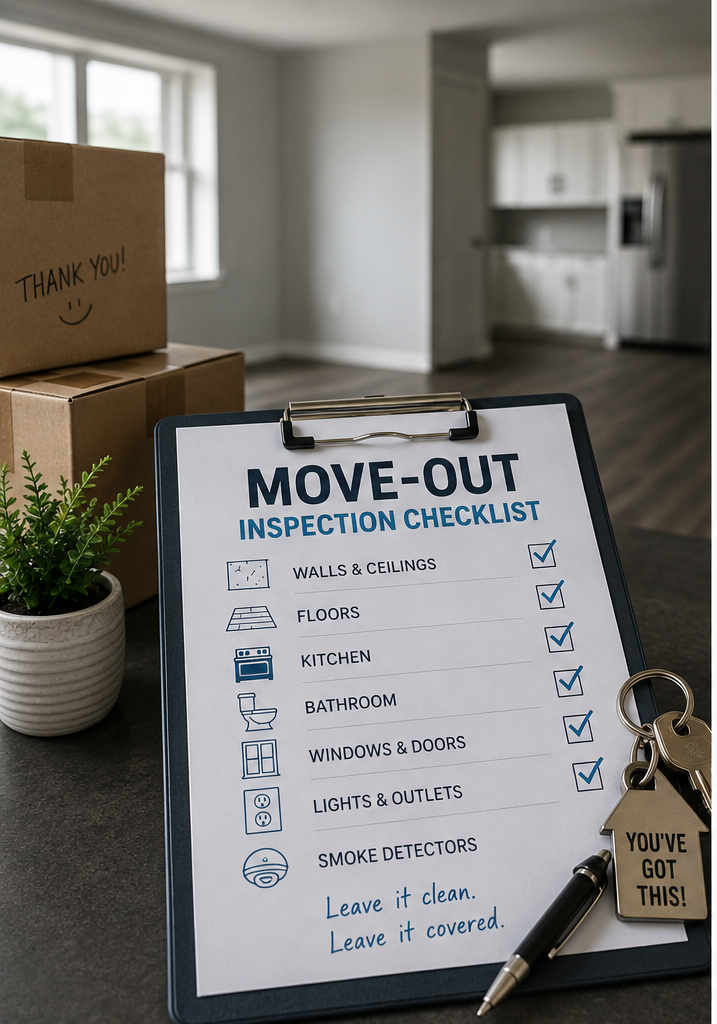
A strong move-out record does not need to be complicated. Walk the property in daylight. Start at the front door. Photograph each room from the doorway and from the opposite corner. Then photograph surfaces that commonly lead to charges: walls, floors, windows, screens, blinds, appliances, sinks, toilets, tubs, cabinets, counters, doors, closets, light fixtures, smoke detectors, patios, garages, and any exterior areas you are responsible for maintaining.
Take close-ups only after you have captured wide shots. Close-ups are useful, but they can look confusing without context. A scuff on a wall is easier to understand when the photo before it shows which wall and which room. The same is true for carpet stains, chipped tile, scratched doors, and appliance marks.
Finish by documenting the handoff: empty rooms, cleaned surfaces, returned keys, garage remotes, forwarding address, and any final message to the landlord or property manager. If you use TenantCircle, organize the record by room and generate a report you can keep with your deposit paperwork. If you use your own folder, use the same idea: room names, dates, notes, and photos together.
A fair deduction conversation is about proof, not perfection
The goal is not to make the rental look brand new. The goal is to show the condition clearly. Renters sometimes lose leverage because they only photograph the problem areas. Photograph the clean, ordinary, undamaged areas too. A full record shows the overall condition of the property, not just the few things that might be disputed.
That fuller picture matters because many deposit fights are really context fights. A landlord sees a close-up of a mark. A tenant remembers a clean apartment. The better record shows both: where the mark was, how large it was, whether it existed before, and how the rest of the room looked at move-out.
If the charges are legitimate, the record helps you understand them. If they are inflated or unsupported, the record gives you a calm way to push back. Either way, you are no longer relying on memory after the fact.
Related renter guides
- Move-Out Inspection Checklist: How Renters Can Prepare Before Returning Keys
- Move-In Inspection Checklist: What Renters Should Document Before Unpacking
- Security Deposit Inspection Checklist: How Renters Can Document Before a Dispute
- The 2026 Rental Inspection Checklist: Move-In, Move-Out & Walk-Through Essentials
How to use this guide without overthinking it
Do the inspection in one pass, in daylight if possible, and keep your pace steady. Open the room, take the wide photos first, then move around the walls, fixtures, closets, flooring, windows, doors, and built-ins. If you see something that might matter later, document it in the moment instead of trying to decide whether it is “serious enough.” Small details are easier to ignore later than they are to recreate.
After you finish the move out inspection charges, take ten minutes to review the record before sending it. Make sure every photo belongs to a room, every issue has a short location note, and the inspection date is obvious. Then share a copy with your landlord or property manager and keep proof that you sent it. This is the simple habit that turns a checklist into a useful security deposit record.
Move out inspection charges: quick checklist
- Ask for an itemized list of every move-out inspection charge.
- Compare each charge against your move-in and move-out photos.
- Separate cleaning issues from damage issues.
- Save receipts for cleaning, repairs, carpet cleaning, bulbs, filters, and key return.
- Keep all messages with your landlord or property manager in writing.
- Respond to disputed charges line by line with specific evidence.
- Check your state or local deadline for deposit return and deduction notices.
FAQ
What are move-out inspection charges?
Move-out inspection charges are deductions or bills a landlord may issue after inspecting the rental at the end of the lease. They commonly involve cleaning, repairs, missing items, replacement parts, unpaid rent, or damage beyond normal wear and tear.
Can a landlord charge for normal wear and tear?
In many places, landlords generally cannot deduct for ordinary wear and tear, but rules vary by state and lease. Tenants should compare the charge against photos, the move-in record, the lease, and local security deposit rules.
Can a landlord charge for cleaning after move-out?
A landlord may be able to charge for cleaning if the unit was returned dirtier than required by the lease or local law. Tenants should ask for itemization and compare the charge against move-out photos and any cleaning receipts.
How do I dispute move-out inspection charges?
Ask for an itemized breakdown, request photos and invoices, gather your move-in and move-out evidence, and respond in writing to each disputed charge with specific facts. Check local deadlines because security deposit rules vary.
Should I take photos before moving out?
Yes. Take wide photos and close-ups of every room, appliances, bathrooms, floors, walls, windows, doors, keys, remotes, and cleaned surfaces before returning possession. Dated photos are one of the strongest practical records tenants can keep.
Sources
- Invitation Homes agrees to pay $48 million to settle claims it saddled tenants with hidden fees - AP News
- My landlord charged me 4 surprise fees after not renewing including $41 light bulb - The U.S. Sun
- How to Get Your Security Deposit Back When Moving Out of an Apartment - Better Homes & Gardens
- US renters call for action to combat surge of apartment fees - The Guardian
Turn the walkthrough into an organized report
TenantCircle keeps room notes, photos, dates, and signatures together so the record is easier to review and share while the condition is still fresh.
View on the App Store See how the renter app works